

There are two types of monsters in this world. When encountering either sort, the important part is how you respond. Part 1 is an analysis of Vampires as a symbol of evil and our best defense against it.
Truth in the Lie
Folklore is an interesting thing. It’s a tool used by man to explain the unknown. When there’s a bump in the night, it is made by some thing. In the absence of facts, people create fiction. Folklore is an attempt to light a candle in the darkness. It’s an attempt to make the mystery a little less mysterious.
But there is truth in the lie.
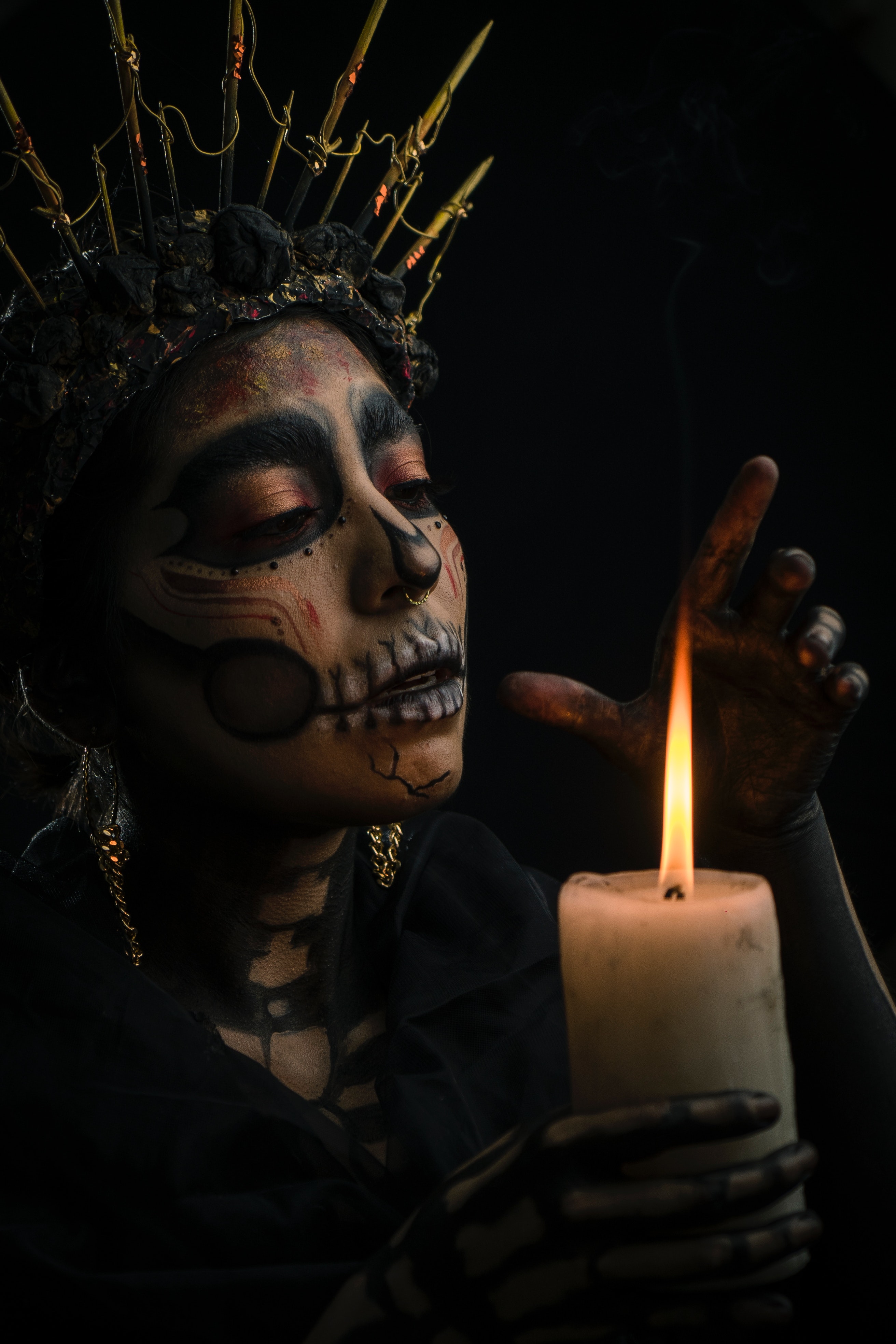
Often, you will find that the folklore created offers less than reliable explanations of the bump-in-the-night, but instead sheds a light on man, himself. Maybe it’s because he stands too close to the candle. The folklore unveils his dreams, his fears, his virtues, and his vices. Countless tales reveal man’s greatest sins as the cause for the creature in the story. Folklore puts the monsters among us on display.
Two of the more prominent monsters, even in the modern era, are the Vampire and the Werewolf. Many scholars have written about them in regard to the duality of man; his ability for great good while also having the potential for great evil. But is there something more? Rather than focusing on monsters as representations of man, is there something they can tell us as symbols of evil itself and how man should respond to it?
This article will explore the traits of the vampire. The traits of the werewolf are analyzed in Part 2.


Vampires
Whether it’s the Azeman of the Surinam peoples of South America1 or the Skatene in the beliefs of the Choctaw Native Americans from the southern United States1, blood sucking creatures have been present in myths for centuries. There’s something unnerving about a creature that feeds on a man’s life-blood, especially when said creature appears in human form. It brushes against the taboo of cannibalism. To feed on blood; the essence within his veins which fuels passions and life. That which is passed down through lineages. Blood–it can be sacrificed, in moments of danger, for those whom he loves. It is a precious gift that is robbed by these creatures.


Versions of vampires have been present in folklore around the globe; none more infamous than Bram Stoker’s Dracula2. The dreaded Count serves as a paradigm for every western iteration in pop-culture today. And no matter if you’re watching them turn to dust by the hands of Buffy Summers3 or watching them…do the thing in True Blood4, they all share some common traits. Before looking at the evil which a vampire represents, let’s explore some of these traits.


Aside: While intellectual properties have taken creative liberties with vampires, most versions will share some of the following traits. We’ll ignore mentioning a certain franchise, which took so much license that they weren’t vampires anymore. Vampires are monsters. *cough* Edward Cullen *cough* There. I said it.
Origin
The first vampire. The King Vampire. Where did he come from? In Bram Stoker’s novel, Dracula’s supernatural powers came from dealings with the Devil. Great evil is commissioned from a great source. Some versions go as far to make it a literal paper contract (signed by blood of course) others make it a “gentleman’s contract” agreed upon orally. The mantle of vampire is donned voluntarily. It is a choice.
Transfer to “Offspring”
Just like the first origin was a choice, the passing of vampirism to the next generation is entered into willingly. When the vampire bites, it does so to feed. If he deems the victim worthy of the rank, he will offer his blood. It is not enough to just be bitten by one of these creatures. For the victim to turn, he will have to drink the vampire’s blood. Upon drinking from his sire, the victim is awarded eternal life, but not a whole one. The blood is tainted by evil. With it comes powers, but there are also weaknesses. The best that can be achieved is an eternal half-life.
Transition
Once the vampire is made, his transition is full and complete. The vampire takes on demon-esque qualities. The human it once was is no more. His activities will be hidden by the cloak of night. His desires will be framed eternally by an insatiable need to feed on the blood of the living. The thirst which destroyed his human-self will drive him to consume others.
Hunting Tactic
One of the powers granted with this half-life is an uncanny ability to control minds. It’s not the full control you would expect from telepathy, but it is enough to pull at impressions that already exist within the victim. Stoker’s Dracula could control small creatures of the night such as rats, bats, and moths. He also lured human victims who allowed him to feed on them. In True Blood, this power is referred to as a glamour.
Purpose
A purpose in life is important, especially when you are immortal. What is the purpose of a vampire? Similar to a more common blood-sucker, the mosquito, a vampire’s primary directive is to breed and feed. They go through un-life with the sole purpose of draining those around them and either bringing them to their level or killing them, leaving their carcass to rot.
Sacred Places
What can be done to deter vampire attacks? Holy water, crucifixes, and hallowed ground (such as churches) are a few things that vampires abhor. With the latter, one such sacred place is your own home. The demon cannot cross its threshold unless invited.
Vampires: A Perspective on Evil
What can the symbol of a vampire say about the dangers which surround us? You can refer to the dangers as bad habits, amoral behaviors, evil, etc…for the purposes of the conversation, I’ll use “sin”. You can’t discuss the greatest evil (i.e. the Devil) without mentioning the greatest good (i.e. God), so I feel “sin” is appropriate. Without God, the crucifixes and holy water would hold no power anyway.
The vampire is an enemy of life, so too is sin. These “vampiric sins” are enticing. The glamour takes hold of you, urging you to partake. The vampire offers a new world. The pull is strong and nagging. It brushes against your curious desires. The appearance of the temptation has only heightened its power over you.
“What if it can make me better than what I am? What if there is something missing in me?”
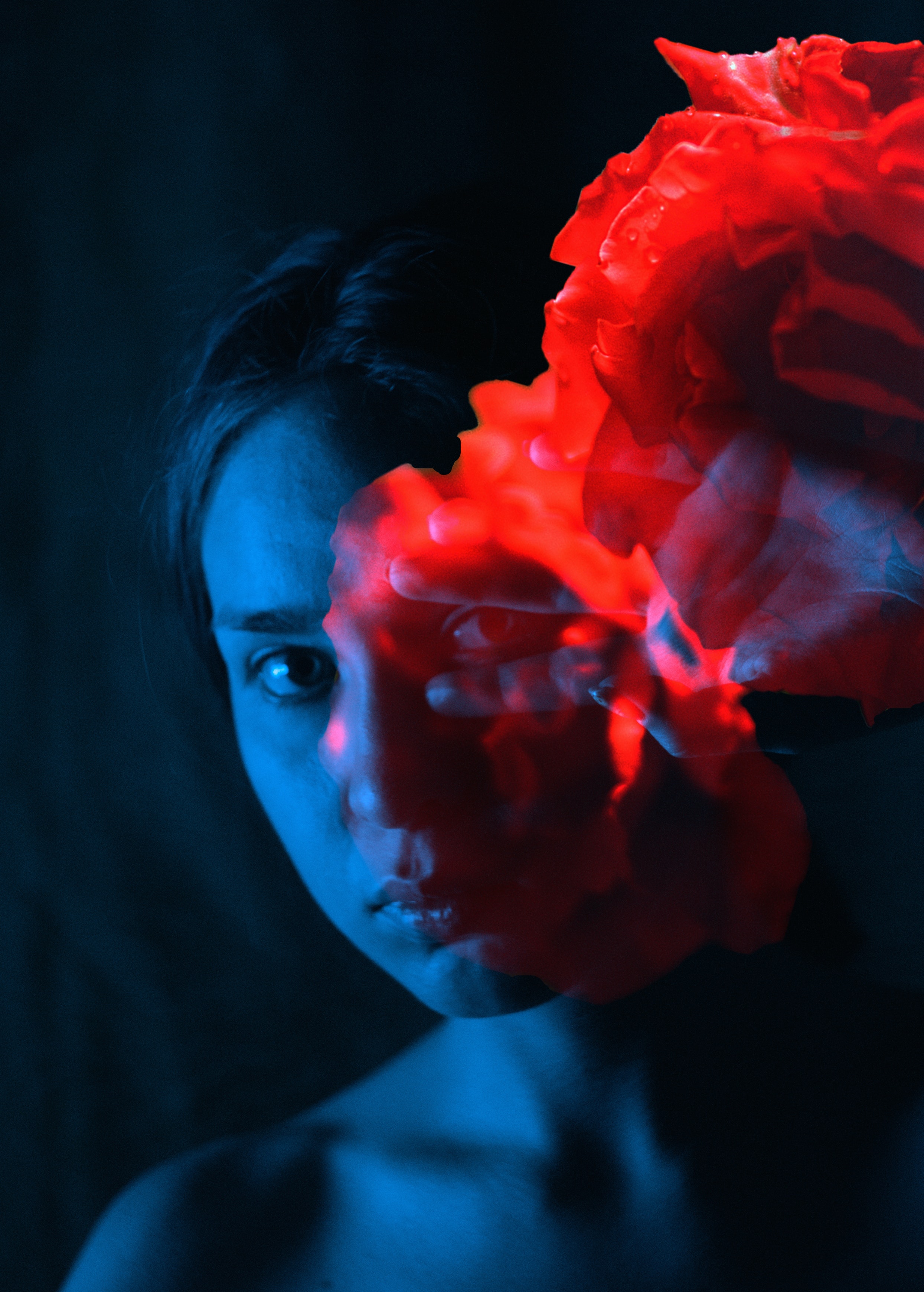
Ultimately, the sin is performed willingly; by choosing it, you trade your humanity–a piece of your life. Once, pure blood pumped through your heart. You choose to drink your sire’s blood and accept the half-life that he offers. You choose to convert. His tainted blood rushes through your veins.
When you choose the sin, it is a part of you; it is there forever. You can never be free of it. The thirst will be a constant companion.
These vampiric sins drain the life from you and those around you. By becoming a vampire, you are prevented from living your life to the fullest–banished from the sun, doomed to live only in darkness. You may also doom others to this same fate.
Personal Application
Take one of your sins you struggle with daily. There was a point in time when you didn’t struggle with that issue. Upon the first “taste” of the sin you became an addict. “The thirst” lives deep inside of you.
You may ask, “But what about the redemption of Jesus?”
While you can be forgiven for the sin, the effects of the sin still linger in this mortal realm–this temporary realm. Whether it’s ailments to your physical body, the mental anguish of guilt, or the harm to others left in your wake, the effects are here–big or small.
You may be able to stand firm against temptations when opportunities arise–when “necks are exposed”, but the urge is always there. It’s easier to stand firm against the sins you haven’t tried. There’s no pattern formed there. It isn’t a way-of-life for you yet. As such, once you “become a vampire”, you will always be a vampire.
So the question becomes, “How do I avoid vampiric sins?”
Be conscious of your choices. Be discerning of strangers at your door. Your body is a temple5, you must be aware of what you allow to enter it. What you choose to invite into your home not only has access to you, it has access to all of the occupants–your friends and your family.
Discernment
What should be taken away from the lesson of the vampire? Should we stay indoors or on hallowed ground at all times? Should we drape ourselves in garlic? Should we avoid all strangers and carry a spray bottle of holy water if ever one were to speak to us?
No. Although, the last one…maybe? –No.
During their hunt for Count Dracula, Dr. Abraham Van Helsing had this to say in regard to a patient he interviews in a lunatic asylum:
Perhaps I may gain more knowledge out of the folly of this madman than I shall from the teaching of the most wise.
- Entry on 1 October from Dr. John Seward's Diary.2
Interactions are what makes the gain of knowledge possible. It is what allows you to hone your current knowledge as well. Knowledge leads to wisdom. Without interactions, people would stagnate. Growth would stop; however, there are instances were you are asked to progress where it is not necessary. You will be faced with ideas or temptations which look pleasing at first glance, but are actually harmful.
There is a saying among the Christian community, “Be in the world not of the world.” It comes from verses like John 15:19.
If you were of the world, the world would love you as its own; but because you are not of the world, but I chose you out of the world, therefore the world hates you.
- John 15:19
This concept can be seen plainly when it comes to things like cancel culture. This whole notion of “join me or be dead to me” is much like the offer presented by a vampire. I know this sounds like I’m speaking against liberals, but cancel culture can be seen in every facet of politics, religion, ideology…basically any institution managed by human beings. How many times will we burn books or burn records or burn people? Cancel culture can trickle down to a granular level, even down to a family disowning a child.
If you are faced with this kind of decision, you better be sure you are in the right; that the world-view you hold is actually true and good. In such an event, it is important to have a discerning mind.
Do not be conformed to this world, but be transformed by the renewal of your mind, that by testing you may discern what is the will of God, what is good and acceptable and perfect.
- Romans 12:2
Do not treat prophecies with contempt, but test them all; hold on to what is good, reject every kind of evil.
- 1 Thessalonians 5:20-22
So should you hide in your home and hope that strangers don’t come a’knockin’?
No.
You should let them knock. But be aware that not all strangers bring good tidings. How do you avoid the vampire’s bite? Be discerning in who or what you welcome into your home. Whether it is house-guests, friends, tv shows, music, any kind of word (spoken or written), or other media; you should put them to a test. Hold them up against truth. Hold on to what is good. Reject every kind of evil.
Up Next
There is another kind of evil that lurks in the woods. It’s secrets will be revealed in the light of a full moon.
Find out more in Part 2.
References
- Rose, Carol. Giants, Monsters, and Dragons: An Encyclopedia of Folklore, Legend, and Myth. New York: W. W. Norton & Company, 2001.
- Stoker, Bram. Dracula. 1897. (Unabridged and Fully Illustrated Paperback) (Kindle)
- Buffy the Vampire Slayer – The Complete Series
- True Blood – The Complete Series
- 1 Corinthians 6:19-20
Verses from the Bible linked to The Bible Gateway.
As an Amazon Associate the author may earn from qualifying purchases. You can support me, and get something neat for yourself, by purchasing through the recommended links in this article.
In this Series
Part 1 – Symbolism of Vampires and Vampiric Sins
Part 2 – Symbolism of Werewolves and Lycanthropic Curses
Part 3 – Redemption from Vampiric Sins and Lycanthropic Curses

 Nicholas B. Spurrier
Leave a reply to Redemption from Vampiric Sins and Lycanthropic Curses – The Forest in The Trees Cancel reply